
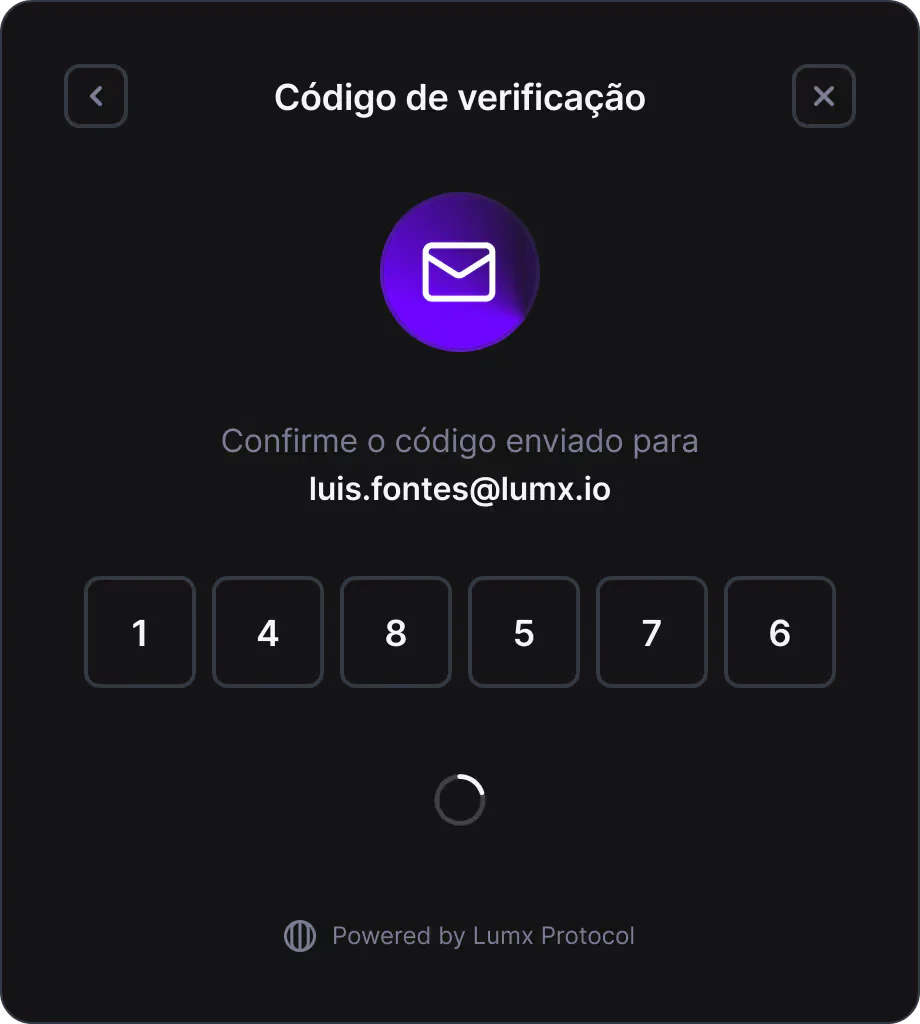
Lumx — Stablecoin payments platform
UX/UI design for secure payments and onboarding.
Role
Product Designer
Period
2023–2025
Scope
Design System · Web · Mobile
Deliverables
UX/UI · Product Design
Role
Product Designer
Period
2023–2025
Scope
Design System · Web · Mobile
Deliverables
UX/UI · Product Design
Elofy is an HR tech platform focused on people management: OKRs, performance reviews, feedback, and career development. A product used daily by teams across multiple companies, with a complex web platform and a mobile app as entry points.
When I joined in 2023, the product was growing but the interface wasn't keeping up. There was no design system. Components were inconsistently built across different parts of the product. The mobile app needed a visual and structural update. And the handoff between design and engineering was slow.
The challenge was clear: bring consistency, build for scale, and do it without stopping product delivery.
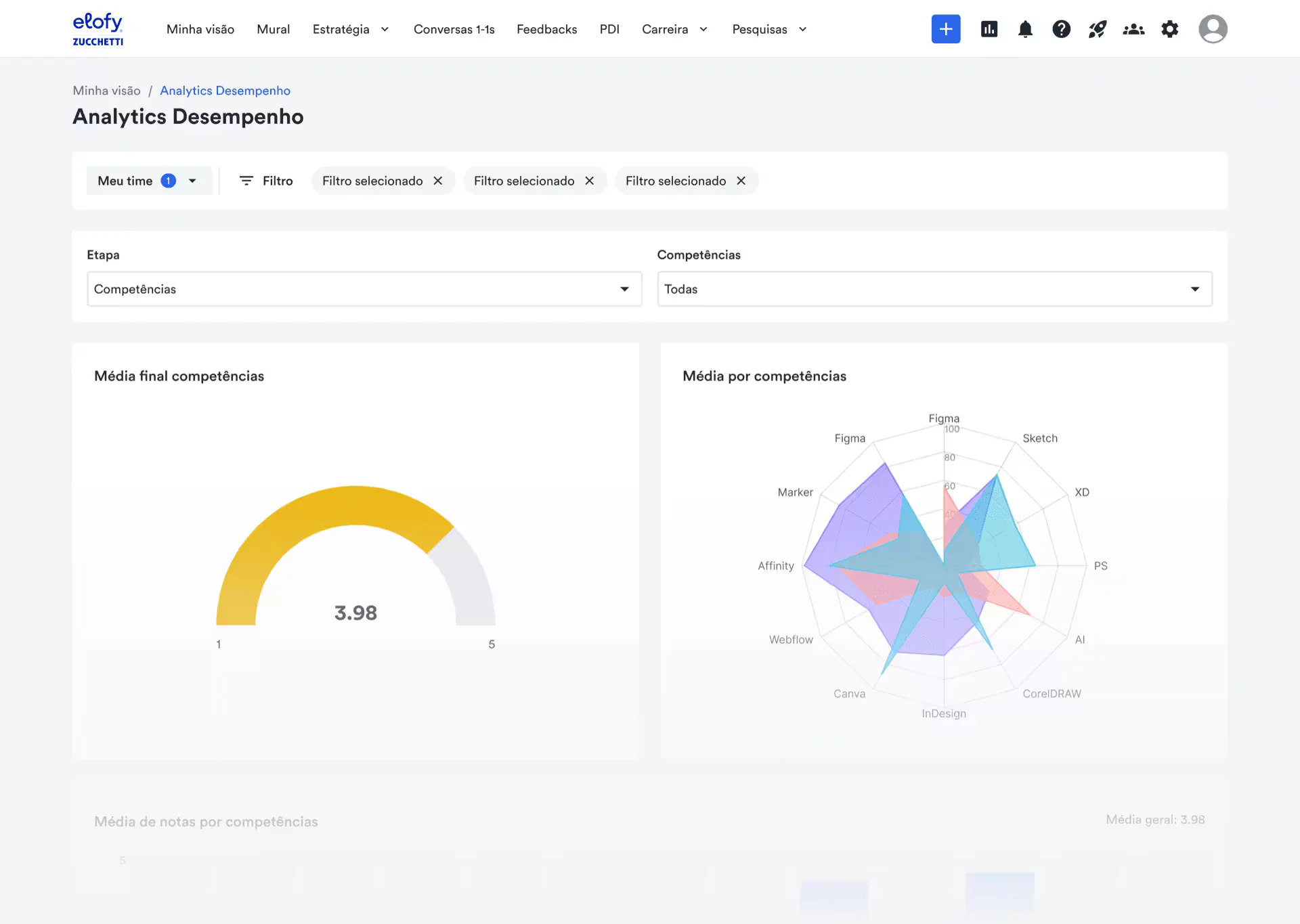
I built the Elofy design system from the ground up. Tokens, components, documentation — a shared language between design and engineering that the whole team could use, trust, and evolve.
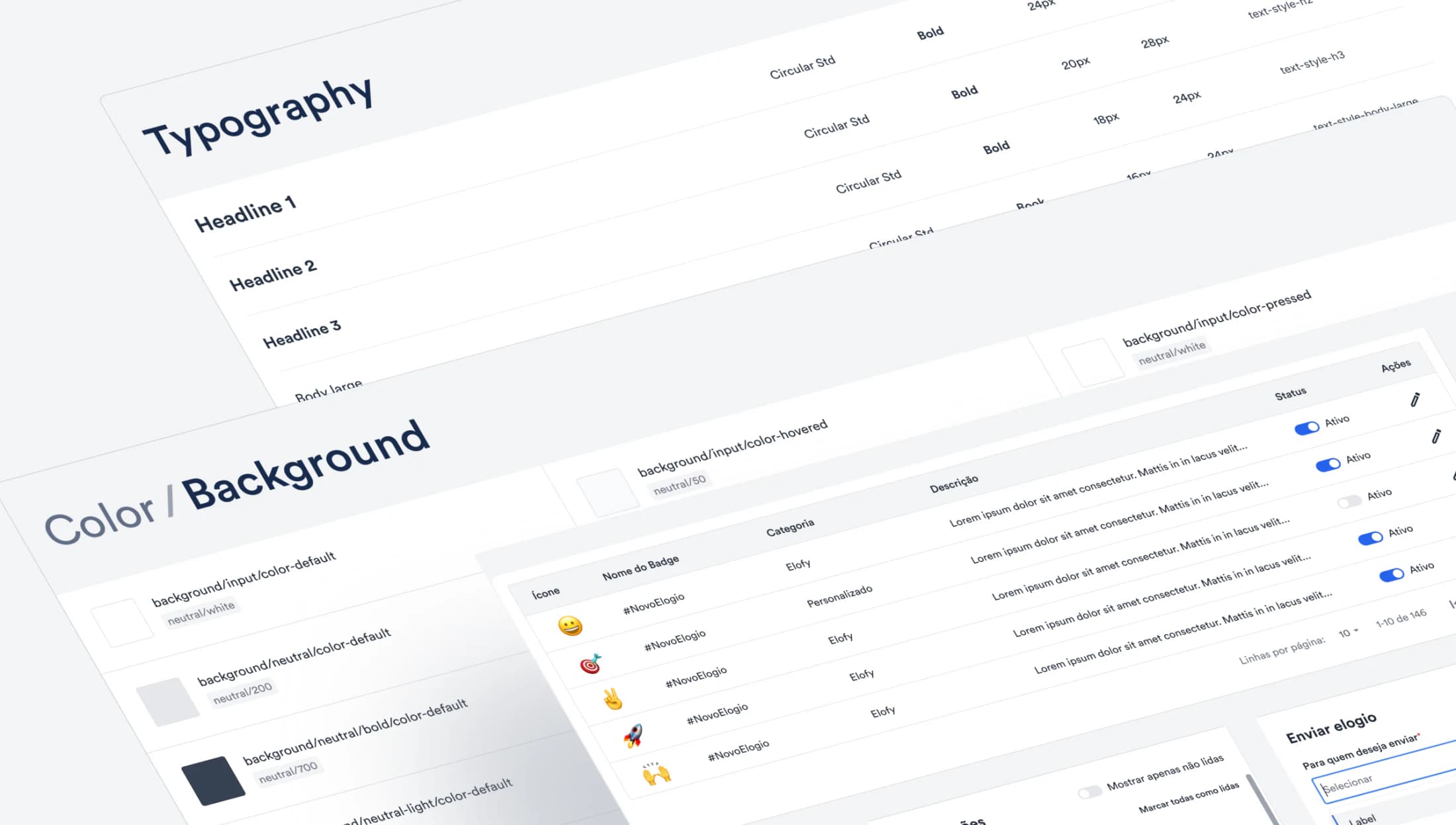
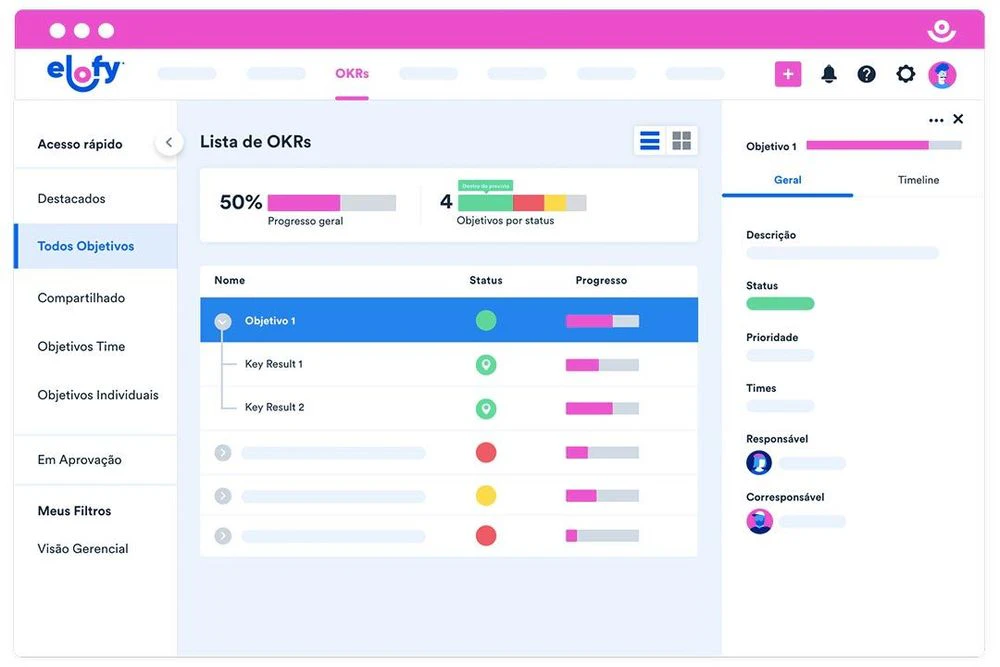
I focused the web redesign on the most used flows: performance reviews, OKR tracking, and feedback. Applied the new system and resolved structural UX issues that had accumulated over time.
The mobile app was redesigned to align with the new visual language and component system. Navigation structure, typography, and interaction patterns were rebuilt to feel like the same product as the web. Not a different version of it.
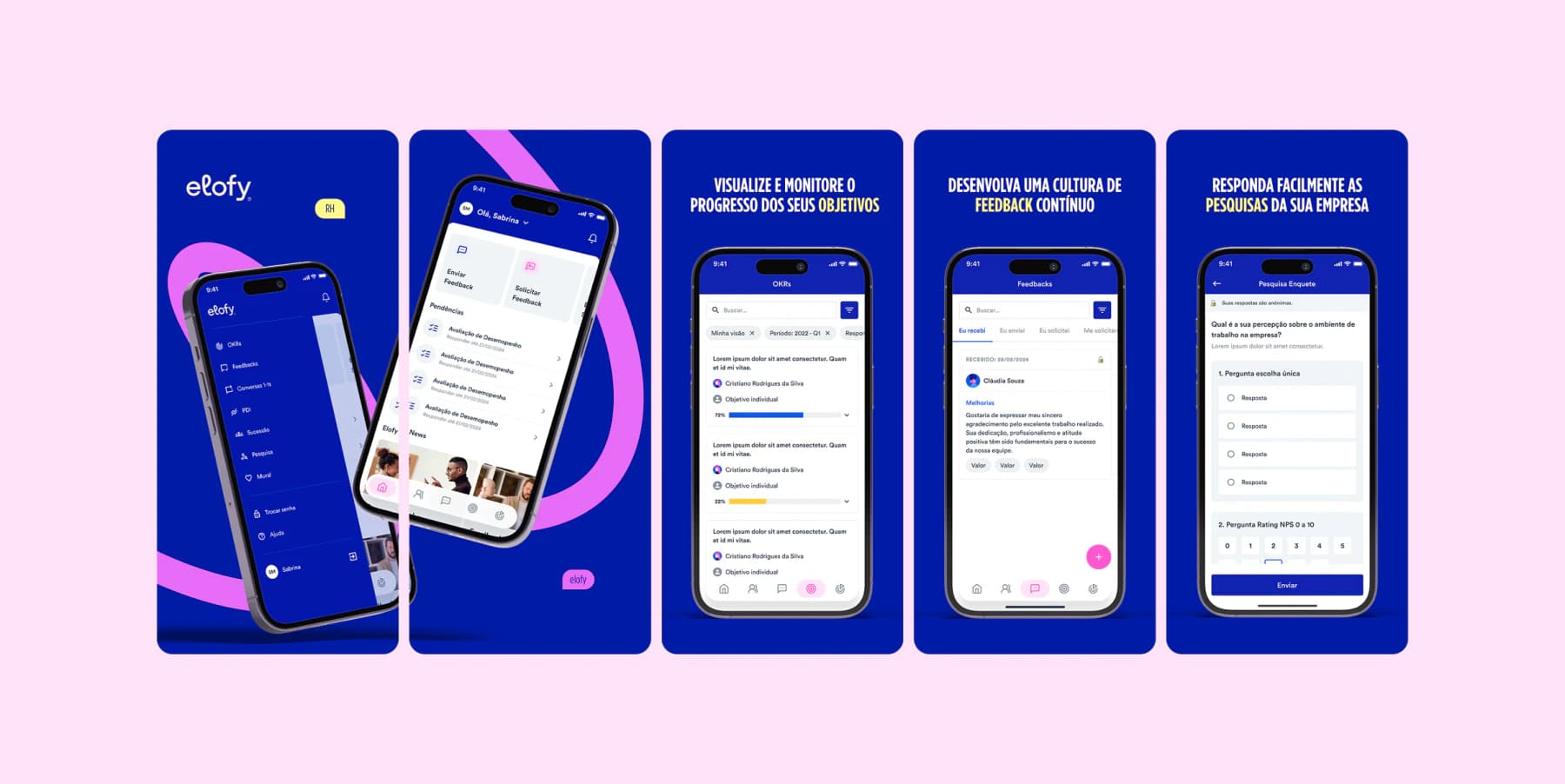
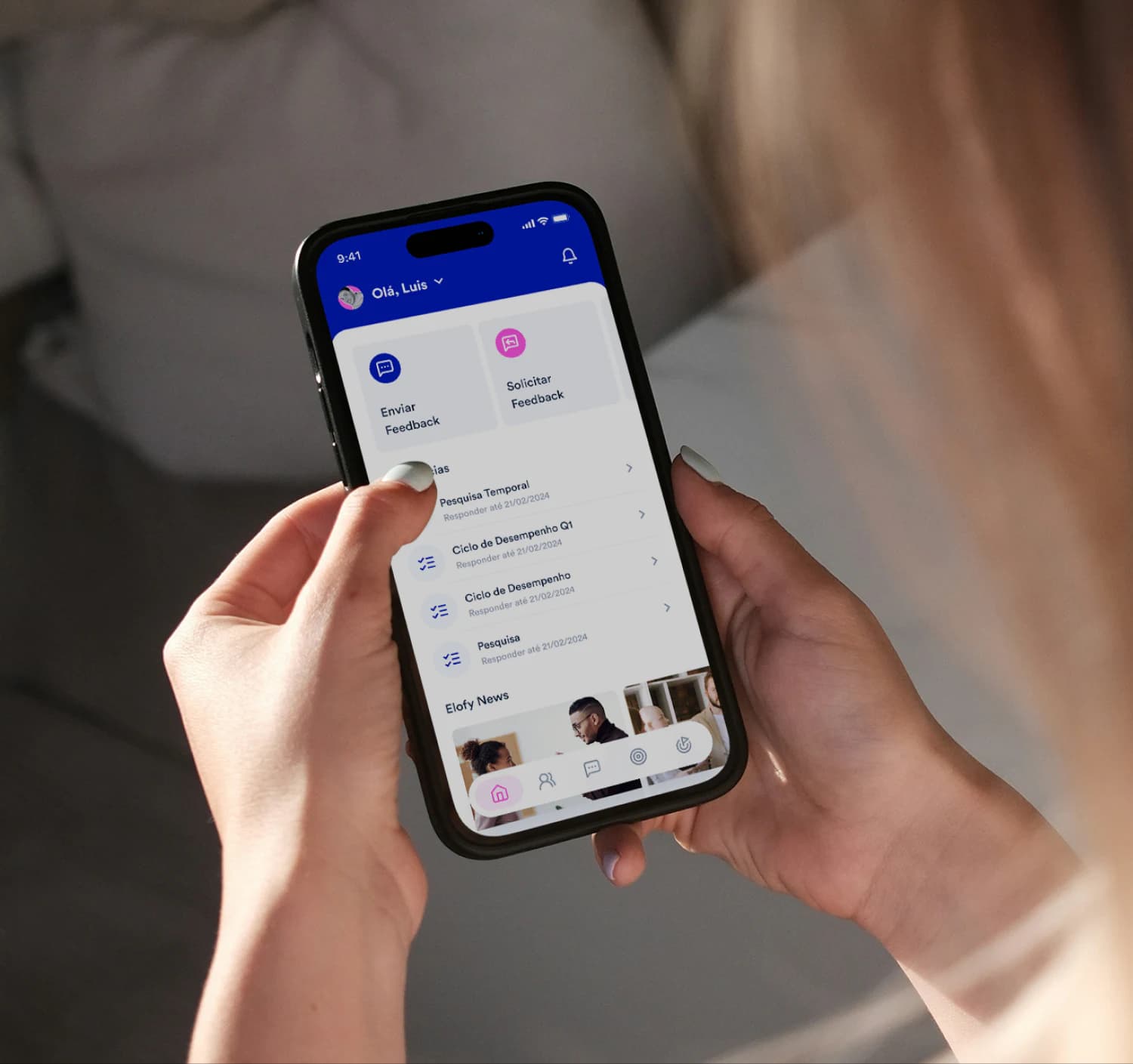
Metrics reflect observed impact and team estimates. Not all data is official.
Observed
3×
Faster screen delivery after design system adoption
Shipped
60+
Components in production within 4 months of starting from zero
Estimated ~
40%
Reduction in design-to-engineering back-and-forth after documentation rollout
Across
2
Products — web platform and mobile app — unified under one system
Observed
3×
Faster screen delivery after design system adoption
Shipped
60+
Components in production within 4 months of starting from zero
Estimated ~
40%
Reduction in design-to-engineering back-and-forth after documentation rollout
Across
2
Products — web platform and mobile app — unified under one system
A system is only as good as its adoption
Building components is the easy part. Getting engineers to use them, and designers to stop creating local variants, requires trust and ongoing presence. The system has to be maintained, not shipped.
Documentation is part of the design
A component without usage guidance is a question waiting to be asked wrong. The time spent writing clear documentation reduced more back-and-forth than any design review process.
Consistency is a product decision, not a style preference
Every inconsistency in the interface is a decision someone made without a system. Building shared standards changed how the team reasoned about design — not just how it looked.
Proximity to engineering changes how you design
Being present in technical conversations changes how you make design decisions. Constraints become creative input. Handoff becomes collaboration. The gap between design and implementation shrinks.
A system is only as good as its adoption
Building components is the easy part. Getting engineers to use them, and designers to stop creating local variants, requires trust and ongoing presence. The system has to be maintained, not shipped.
Documentation is part of the design
A component without usage guidance is a question waiting to be asked wrong. The time spent writing clear documentation reduced more back-and-forth than any design review process.
Consistency is a product decision, not a style preference
Every inconsistency in the interface is a decision someone made without a system. Building shared standards changed how the team reasoned about design — not just how it looked.
Proximity to engineering changes how you design
Being present in technical conversations changes how you make design decisions. Constraints become creative input. Handoff becomes collaboration. The gap between design and implementation shrinks.
UX/UI design for secure payments and onboarding.
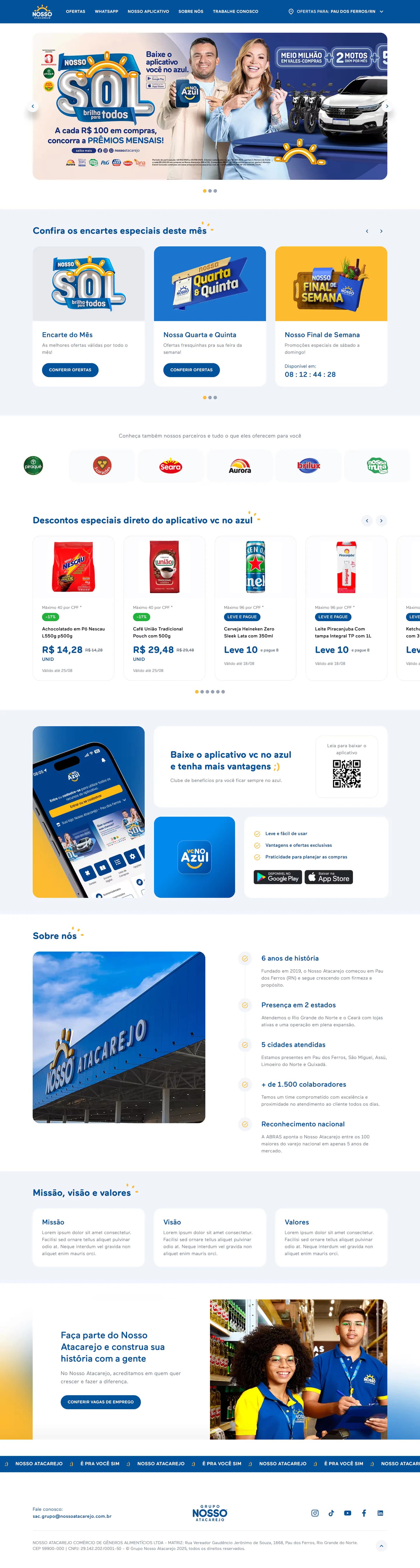
Website redesign focused on visibility and conversion.
